Dental Implant: Full overview You Need to Know for a Triumphant Procedure
Dental prosthetics offer a dependable answer for people confronting tooth loss. They are composed of a titanium post that integrates with the jawbone, maintaining stability. Still, not everyone satisfies the requirements for this operation. Factors such as bone health and oral hygiene carry significant importance in candidacy. Recognizing the process and what to experience can relieve potential concerns. As one works through the details, questions about eligibility and recovery naturally materialize.

Tooth Implants Explained: How Does It Work for You?
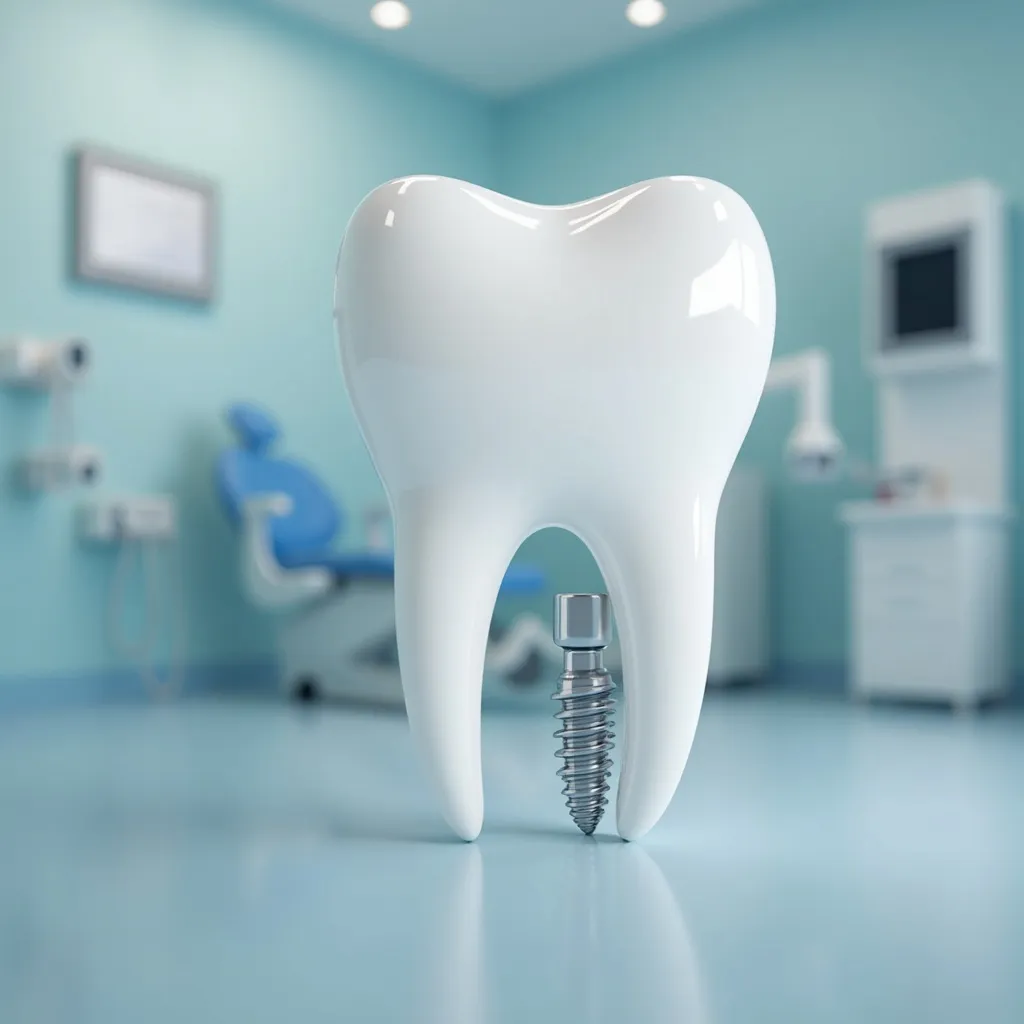
A tooth implant serves as a contemporary option for individuals facing tooth loss. This oral treatment involves placing a titanium post into the jawbone, which acts as a substitute root for a missing tooth. Over time, the jawbone integrates with the post through a process known as osseointegration, delivering a stable foundation. Once the implant has completely fused, a custom-made crown is affixed, replicating the appearance and function of a natural tooth.
Tooth implants provide several benefits, including improved chewing ability and improved aesthetics. They also reduce bone loss, which can occur after tooth loss. Unlike traditional dentures, implants do not shift or require adhesives, making them a more reliable option. With proper care, such as regular dental check-ups and good oral hygiene, tooth implants can last for many years, providing a long-term solution for bringing back both functionality and appearance to a person’s smile.
Who Qualifies as a Good Candidate for Tooth Implants?
Determining eligibility for tooth implants involves assessing several key factors. Candidates typically include individuals who have lost one or more teeth due to injury, decay, or periodontal disease. A healthy jawbone is vital, as it provides the necessary support for the implant. Those with sufficient bone density may be ideal candidates, while individuals with significant bone loss may require additional procedures, such as bone grafting.
Furthermore, patients should sustain good dental health and commit to regular dental visits. Age can also be a factor; while there is no strict upper age limit, younger candidates should wait until their jawbone has completely matured. Medical conditions, such as poorly managed diabetes or certain autoimmune disorders, may impact eligibility. Ultimately, a thorough evaluation by a dentist will determine if tooth implants are a viable choice for the individual, guaranteeing optimal long-term success.
What You Should Understand About the Dental Implant Procedure?
A tooth implant procedure can be a transformative experience for individuals looking to regain their smile. This process typically involves several stages, starting with a comprehensive evaluation and diagnostic imaging to complete info assess bone structure. Once deemed suitable, the patient is given anesthesia to guarantee comfort.
The first step in the process is the surgical placement of the titanium implant into the jawbone, which acts as the synthetic root structure. This is followed by a healing period, allowing the implant to integrate with the bone. After sufficient healing, an abutment is secured, which will retain the crown.
Patients may experience some swelling and discomfort after surgery, but this is generally manageable with medications prescribed by your doctor. A customized crown is then created and attached to the abutment, finishing the process. Overall, the dental implant procedure is carefully planned and executed, targeting superior results and patient satisfaction.
What to Anticipate During Healing After Tooth Implants?
Recovery after tooth implants advances in separate stages, each essential for proper recovery. Initially, patients may encounter swelling, bruising, and discomfort, which are normal reactions to the surgical intervention. Discomfort control often incorporates prescription drugs or nonprescription pain medications.
Throughout the initial days, soft foods are encouraged to lower discomfort and aid recovery. As the weeks unfold, the implant progressively fuses with the bone, a process known as osseointegration, which is important for extended stability.
Follow-up meetings are often planned to supervise mending and verify the implant's proper integration. Patients are cautioned to maintain good mouth cleanliness, circumventing direct scrubbing on the surgical site.
A full recovery period may span some months, based on specific situations. Patience and respect for surgical aftercare instructions are fundamental to achieving the desired outcome and securing the implant's durability.
Vital Strategies for Nurturing Your Tooth Implants
Ensuring tooth implants are well-maintained is critical for their longevity and overall oral health. Everyday cleaning routines, including brushing and flossing, help copyright the strength of the implants and neighboring tissues. Also, regular dental check-ups are essential to observe the progress of the implants and address any unforeseen complications promptly.
Daily Mouth Hygiene Methods
Maintaining consistent dental hygiene is vital for preserving the condition and lasting function of tooth implants. Those with implants should clean their teeth at least twice a day using a soft toothbrush and a gentle toothpaste. Flossing remains just as necessary; using specialized floss or interdental brushes can properly clean around implants. Using an antibacterial mouthwash can help with reducing plaque buildup and preventing infections. Avoiding hard-bristled brushes or abrasive materials is key, as these can damage to the implant surface. Furthermore, staying well hydrated can encourage saliva flow, which is important for oral health. By maintaining these daily habits, individuals can significantly boost the durability of their tooth implants and promote overall oral well-being.
Regular oral examinations assist maintain healthy teeth and periodontal tissue. Dentists recommend scheduling appointments each 6 weeks for optimal dental health.
Keeping oral hygiene at home is just one part of the equation to ensure the success of tooth implants. Routine dental visits are vital for tracking the health of both the implants and nearby tissues. A dental expert can spot potential problems like infections or bone loss before they progress. Usually, patients should book appointments every six months, but those with implants might need more frequent assessments. Throughout these appointments, the dentist will conduct thorough cleanings and evaluate the implant's integrity. Furthermore, a professional can offer custom recommendations on care routines and diets that promote lasting implant success. In the end, regular check-ups are essential in preserving both oral health and the durability of tooth implants.
Exposing Common Untruths Surrounding Tooth Implants
Although many individuals consider tooth implants a practical option for missing teeth, several misconceptions surround their effectiveness and safety. One prevalent myth is that implants are extremely painful; however, most patients experience only slight discomfort during and after the procedure, managed effectively with anesthesia and pain relief.
Another misconception is that implants require extensive maintenance. In reality, they can be cared for just like natural teeth, necessitating regular brushing, flossing, and dental check-ups.
Moreover, some believe that advanced age disqualifies individuals from receiving implants. In reality, as long as bone density is sufficient, older adults can gain equal benefit from this treatment.
Lastly, countless people fear that implants will look unnatural. In fact, modern implants are designed to harmonize seamlessly with existing teeth, ensuring an aesthetically pleasing result. By dispelling these myths, individuals can make informed decisions about tooth implants as a realistic option for restoring their smiles.
Learning about the Budget Requirements of Tooth Implants
Grasping the monetary implications tied to tooth implants necessitates multiple vital factors. These comprise the distinct components influencing pricing, the significance of insurance coverage, and available financing solutions. A comprehensive analysis of these elements can enable individuals to make informed financial decisions regarding their dental health.
Contributors Shaping Implant Prices
A variety of factors determine the cost of tooth implants, making it vital for individuals to comprehend these variables. One significant element is the type of implant chosen, as options differ in material and complexity. The background and skill of the dentist also have a vital part, with experts typically charging higher fees. Location determines costs, with urban areas often having higher prices than rural regions. Additionally, the need for preliminary procedures, such as bone grafts or extractions, can increase overall expenses. Finally, the standard of materials applied for abutments and crowns influences the final cost. Understanding these factors can help individuals form informed decisions regarding their tooth implant outlays.
Insurance Coverage Considerations
How do insurance policies affect the financial burden of tooth implants? Many dental insurance plans provide restricted benefits for implants, often categorizing them as optional treatments. This can leave patients confronting significant out-of-pocket expenses. Typically, plans may pay for a portion of related costs, such as appointments or preliminary treatments, but not the implants themselves. Additionally, some plans may have delays or yearly limits that further complicate budget management. Patients should review their individual plan information and consider contacting their insurance providers to explain benefits. Understanding these factors is essential for proper financial planning, as the total cost burden varies widely based on personal coverage options and benefit maximums.
Credit Options Available
Which financing choices are provided for patients considering tooth implants? Several options can assist in managing the costs related to this dental procedure. A lot of dental practices provide in-house financing plans, permitting patients to pay in installments instead of a single lump sum. Moreover, third-party financing organizations provide loans specifically for dental services, often accompanied by flexible repayment terms. Certain patients might also consider using health savings accounts (HSAs) or flexible spending accounts (FSAs) to pay for costs. Credit cards can serve as another option, though interest rates should be considered. Finally, patients should discuss these financing methods with their dental providers to decide the best fit for their financial situation, ensuring access to essential dental care without unnecessary financial pressure.
Common Inquiries Asked Regularly
How Long Do Tooth Implants Typically Endure?
Tooth implants generally last from 10 to 15 years, though many can endure much longer with proper care. Factors affecting longevity include oral hygiene, lifestyle habits, and individual health conditions affecting the jawbone.
Can Tooth Implants Fail, and Why?
Dental implants may not work because of various reasons, including microbial invasion, poor bone quality, wrong positioning, or failing to follow post-operative care. Grasping these risks is essential for supporting long-term success with dental implants.
What Substitutes Can Be Found for Tooth Implant Procedures?
Certainly, substitutes for dental implants exist. Options include dentures, dental bridges, and resin-bonded bridges. Each solution offers specific advantages and disadvantages, allowing individuals to choose depending on their particular dental needs and preferences.
Is Dental Implant Expense Covered by Insurance?
Protection for dental implants under insurance varies considerably based on your plan. Certain plans may partially cover expenses, but others might exclude them from coverage altogether. Consumers should consult their insurance provider to learn specific coverage details and limitations.
Can smokers obtain tooth implants successfully?
Individuals who smoke can get tooth implants successfully, but their nicotine addiction boosts the chance of complications, such as infection and implant deterioration. Talking to a dental expert for tailored recommendations is essential for superior results.